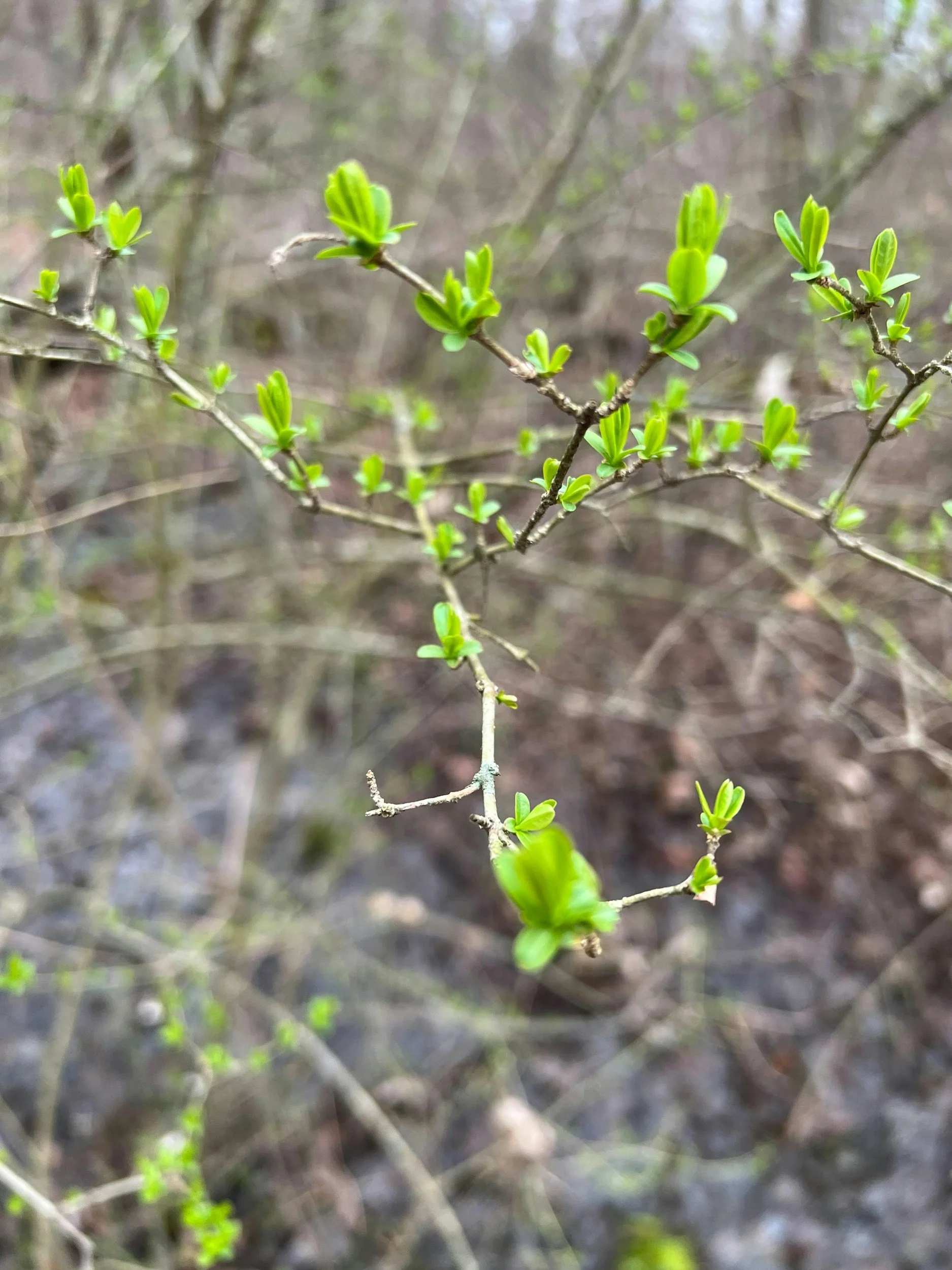
Blossoming in Spring
Ways We Can Understand Healing Through the Eyes of Nature.
By Kaleigh Newby, MA • Executive Director
In Winter, trees look barren, flowers disappear, and the landscape feels empty. However, do you realize that each spring blossom you see in the trees and on the ground started the process of blooming in winter?
Beneath the barren surface, roots are intact and building resilience to the elements, nature’s systems are conserving energy, and life is preparing for the next cycle. You might feel like you no longer have the ability to bloom, but your roots might need to be tended a bit longer.
We, as humans, often experience an inner winter. Sometimes we might experience it in the season of winter, but often we have cycles of an inner winter that come and go depending on what we are experiencing in our lives at the time. This can look like periods of depression, grief, trauma recovery, injury recovery, sobriety stabilization, etc. These are not indications of failure, rather they are the dormant seasons, or our experience of inner winter.
Growth happens underground first.
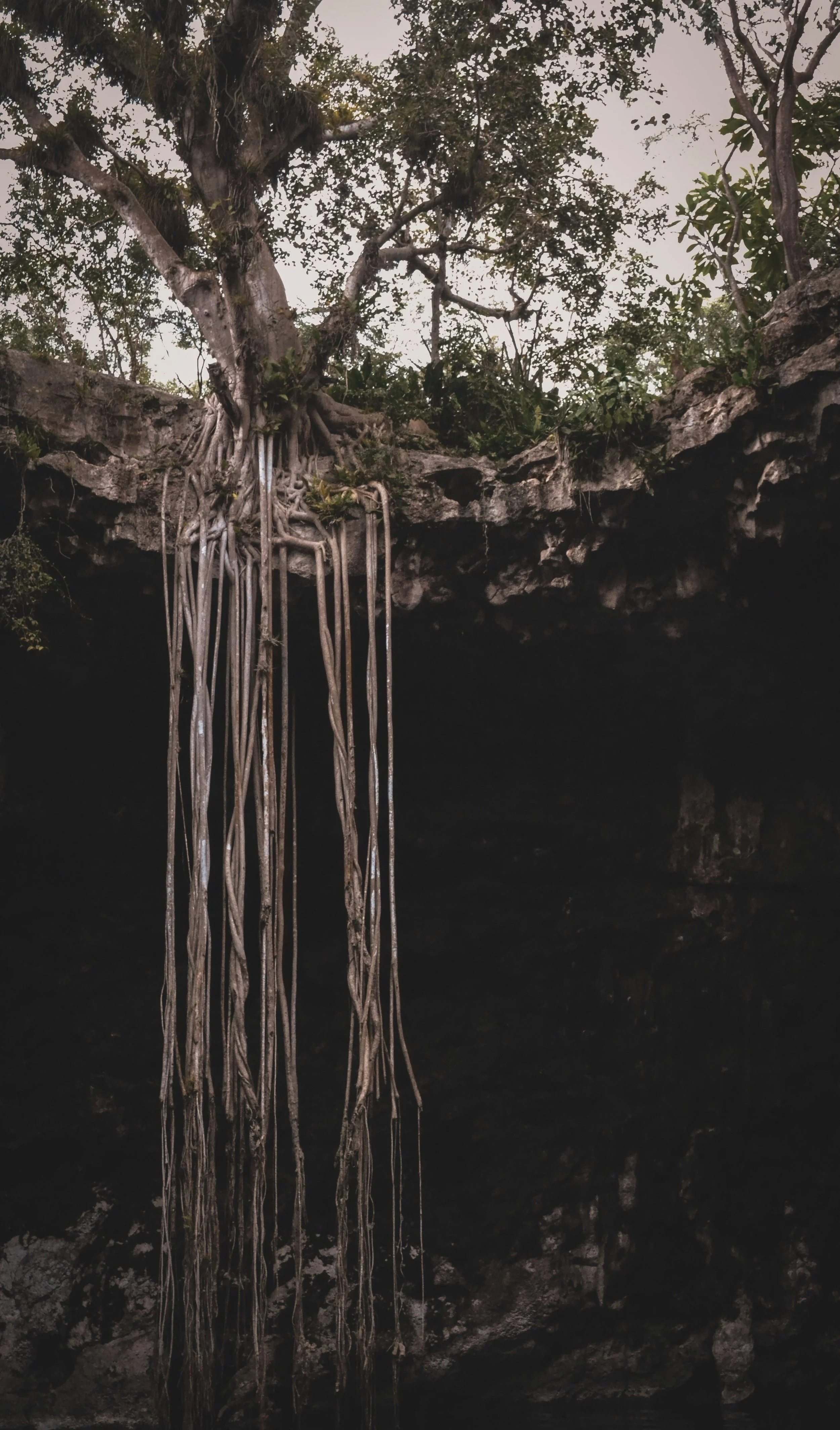
Healing and growth are not always visible. The same way the roots of trees, flowers, and plants build resilience, conserve energy, and store nutrients to support their blooming in spring, we too can experience healing and growth that is hidden beneath the surface. Yes, even when we are experiencing a season of winter ourselves.
Recovery and healing can look like more rest and sleep, getting into therapy, learning to set boundaries and implementing them (with yourself and others), seeking times of quiet and calm, becoming more intentional with how you spend your energy, etc. Unseen internal work is still growth, and healing can still be happening even if the results are not visible quite yet.
The other lesson we can learn from nature is that winter does not come once and then disappear forever. We know to expect it to come again and again year after year. This is because seasons are cyclical, not linear.
Similarly, growth and healing are not linear, they are cyclical and seasons of inner winter are sure to return. Our mental health fluxuates, grief comes in waves, addiction recovery requires ongoing tending, and our trauma responses can be triggered when we least expect it. Relapse or regression during the healing process do not erase progress, they are part of a larger rhythm.
The things we learn in the inner spring and summer seasons are integral to supporting ourselves when, inevitably, winter shows back up at our door. In addition to support systems we can learn, our environment matters.
A plant’s ability to bloom depends on the environment it is in. It needs quality soil, the right amount of sunlight, regular water, and protection from more extreme elements or factors that would inhibit it’s growth.
Our environment matters too. We need an environment that promotes growth and healing. Wether that be cleaning and clearing clutter in your home to allow your mind to feel more at ease, staying connected to friends and family who are safe relationships that allow you to be your true self in all forms, having access to mental and physical health support, and being part of community. Part of your stability should be coming from the environment and people around you so that you are not the sole source of support. Willpower will only get you so far, the context of your environment is a very important component to the healing and growth process.
Finally, once a flower, tree, or plant has done the inner, unseen work, and found an environment it can survive in, it blooms. However, each bloom is different and shows up in different places and in different times during each season. Well, what is the lesson there?
Blooming looks different for everyone. Each person will bloom in a different place, with differing levels of support, and during different internal seasons. Someone else’s cycle of blooming does not take away from your progress or indicate where you “should” be in your healing process.
For some it may look like simply getting out of bed, setting a new boundary, asking for help, feeling joy again, or reaching out to a friend or family member for connection.
If you pay attention, when spring rolls around, it’s not a dramatic *BOOM* of blossoms and greenery. It is a few leaves here, and a sprout there, small tufts of green showing on branches and in the dirt. It’s not a dramatic resurgence, it is slow and persistent until a few days and weeks go by and we start to see pink, white, yellow, or red start to peek through and bloom into full flowers.
In a similar way, the process of building resilience and growth isn’t dramatic, many times it’s a quiet persistence that allows us to sprout a few tufts of green that are the precursor to a bloom coming in the not so distant future.