Not Doing Postpartum Alone: Why Connection Changes Everything
By Emma W. Donaldson LPC, PMH-C
Postpartum is a unique time in a woman’s life where everything shifts. Mothers experience a major hormonal drop, unpredictable and broken sleep patterns, an elevated nervous system, and a rewiring of the brain to care for a new baby.
It’s often one of the most vulnerable and least understood seasons of her life. Not only does she struggle to understand the immense change she is undergoing, but some of her most important relationships—spouse, family, and friends—are also left feeling confused by, or in some cases completely unaware of, what she is internally navigating. Even healthcare providers can miss the gravity of what she is going through and routinely misinterpret the beginning stages of a perinatal mood disorder as “nervous new mom” energy. So in a season that touches every part of her life, many postpartum women feel largely unseen in it. This immense internal change, combined with the lack of external understanding, can leave many new mothers feeling alone in their experience, which often leads to isolation.
Most people think isolation is physically being alone with the baby. But it can also look like a lack of practical help to care for herself and her baby, not sharing when she is struggling, and keeping her concerns to herself. This can be tricky to catch because many mothers find themselves portraying an image of what theybelieve they should be experiencing rather than what they actually are.

This looks like saying, “I’m doing fine,” while proceeding to share milestones and updates about the baby. What she’s not telling you is how she was up all night researching infant sleep patterns after her baby went to bed, how she avoids walking past the knives in the kitchen to get relief from the haunting intrusive thoughts of hurting herself or her family, or that she hasn’t had a girl’s night since her baby was born because she’s afraid to leave him with anyone else. So what most people believe is that she’s fine, and they see cute pictures of the baby. They have no idea she’s drowning, and she continues to be trapped in isolation.
When I work with postpartum mothers in my practice, isolation is one of the biggest risk factors for a lack of improvement in their mental health. It’s the silent yet very real barrier that can keep her feeling stuck in intrusive thoughts, panic, spiraling, and hopelessness. She can be in weekly therapy, taking medication, and working her treatment plan, and still see her symptoms persist beyond what they should if she is isolated in her everyday life. Humans are wired for connection with one another. We don’t just desire it, we need it. It’s water to our well-being, and particularly in a major life transition like postpartum and early motherhood, it creates a sense of steadiness that allows us to integrate the tools and skills learned in therapy into our everyday lives. This kind of connection holds us in a way that individual effort alone cannot.

If I could encourage every postpartum mother who is struggling with one next step, I would say, “tell someone.”
Vulnerability can feel risky, as it leaves room to feel misunderstood, judged, or exposed in ways that a new mother’s nervous system is already sensitive to. It’s hard, and it’s worth it to not have to do postpartum alone. This doesn’t have to look the same for every mother, and in fact it should look different. For some, it will begin with letting go of the “everything is fine” facade or choosing to spend time with others before she feels “ready.” For others, it will look like asking for practical help in areas where they feel like they are drowning.
Regardless of how it looks, it must include one key ingredient: knowing and being known. Social media can’t achieve this, as it often leads to a one-sided or curated sense of connection. Simply “getting out of the house” does not resolve isolation on its own either. Being around people is one step, but truly connecting and being attuned to, is what makes the difference. This kind of connection helps the brain learn it’s safe, and it’s that felt safety that creates the hope of, “This can get better, and I’m not alone.”
That simple shift can begin to change everything.
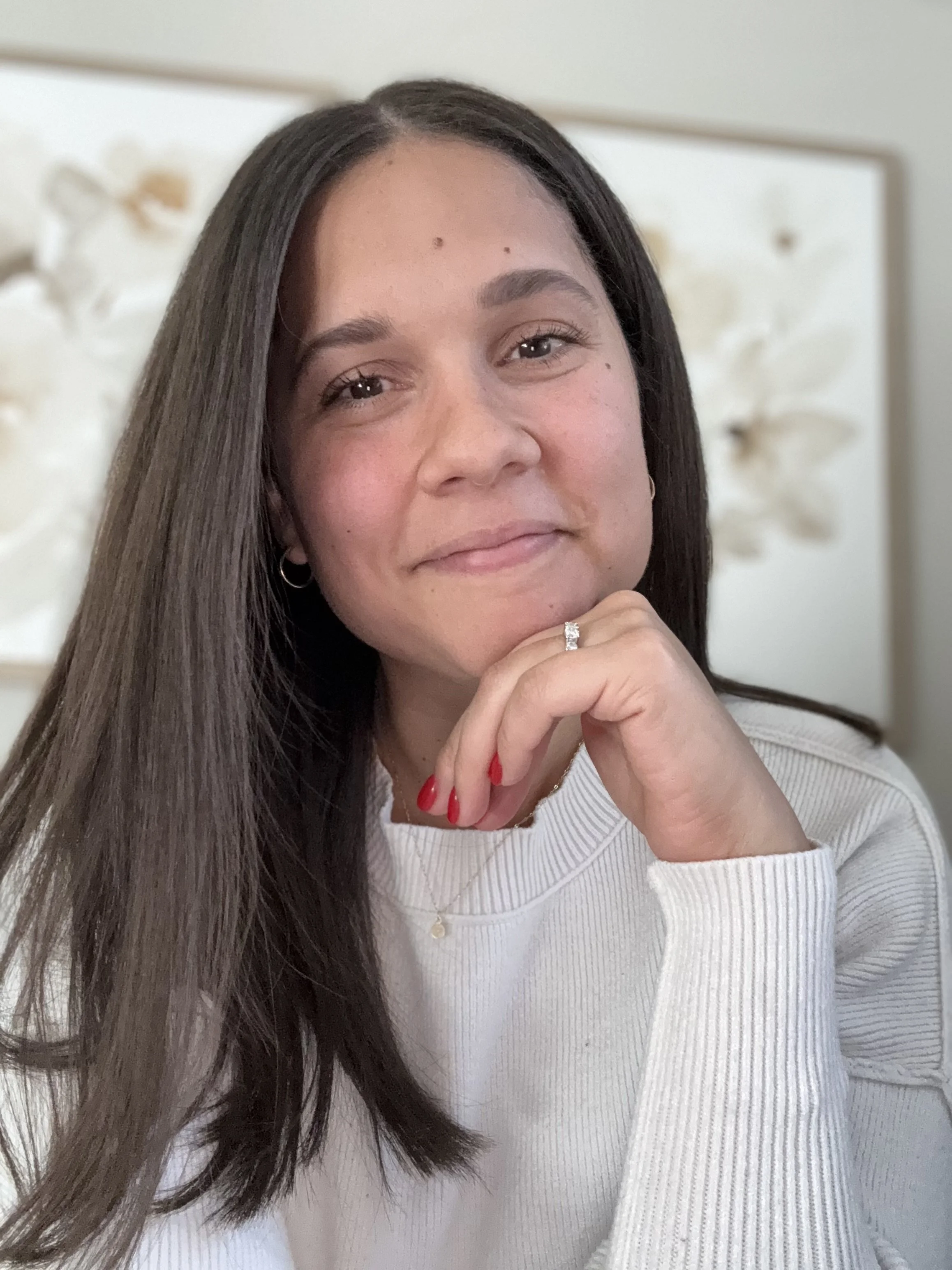
Emma Donaldson is a Licensed Professional Counselor (LPC), perinatal mental health specialist (PMH-C), and owner of Abide Counseling.
She is also the creator of Joyful Mama Mental Wellness, where she extends clinically informed, faith-rooted mental health support beyond the counseling room and into the everyday lives of mothers through education and support groups.