
World Brain Day 2026
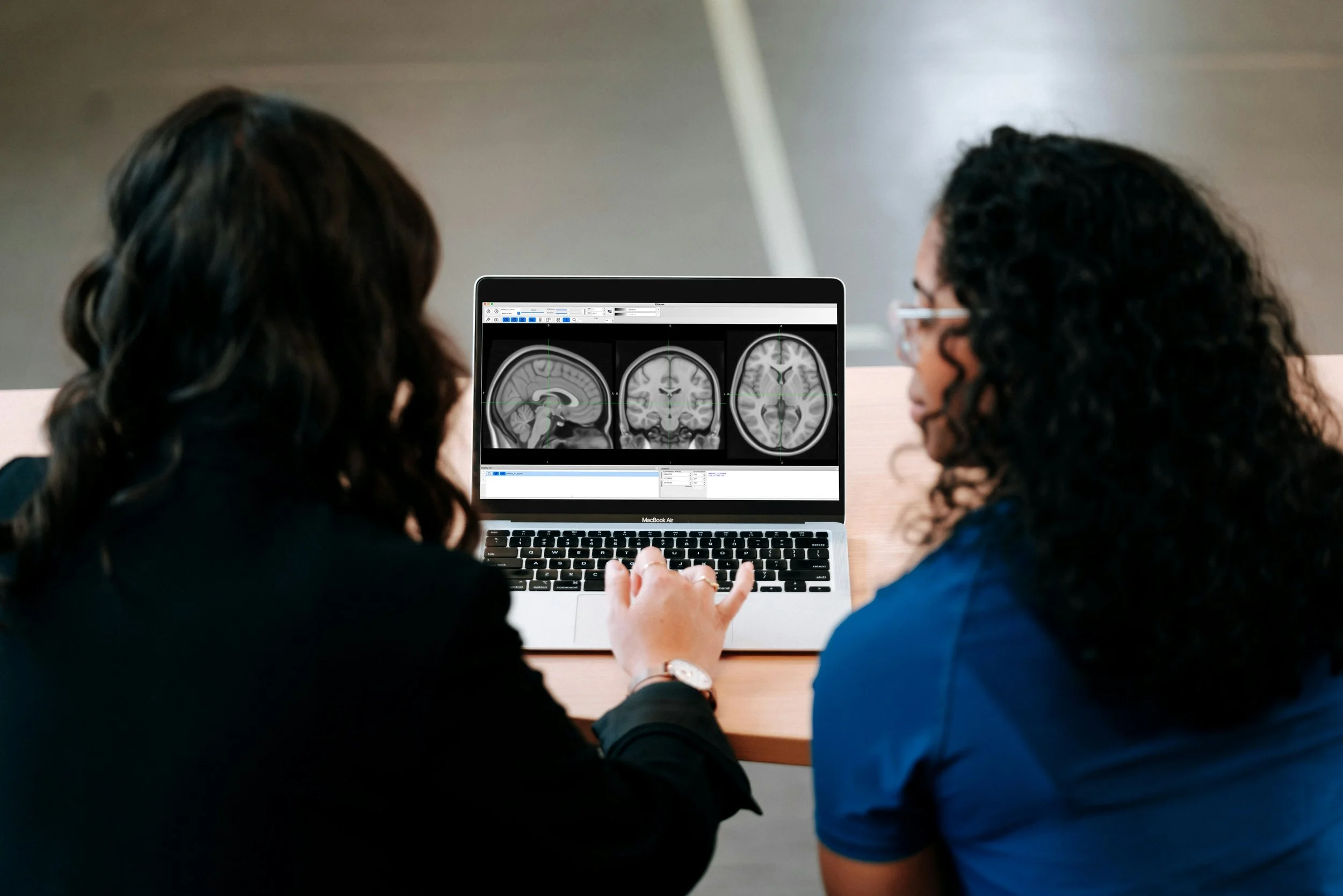
The Neuroscience Behind Therapy
Your Brain “on” Therapy
Therapy isn’t just about talking, it’s a biologically real intervention that reshapes how your brain processes emotion, threat, memory and relationships through the process of neuroplasticity.
Neuroplasticity is the brain’s ability to reorganize itself by forming new neural connections throughout life. When a skilled therapist helps you examine a thought pattern or process a painful memory, they’re prompting your brain to build new neural pathways, ones that eventually override older, more distressing ones.
What does that look like in practice?
Every time you practice reframing a negative thought, the associated pathway strengthens
Repeated therapeutic sessions gradually make healthier thought patterns the brain’s default response
The brain literally grows new connections and prunes away old, unhelpful ones in response to the therapeutic experience
This process is measurable via brain imaging, not just self-reported improvement
Key Brain Regions Involved
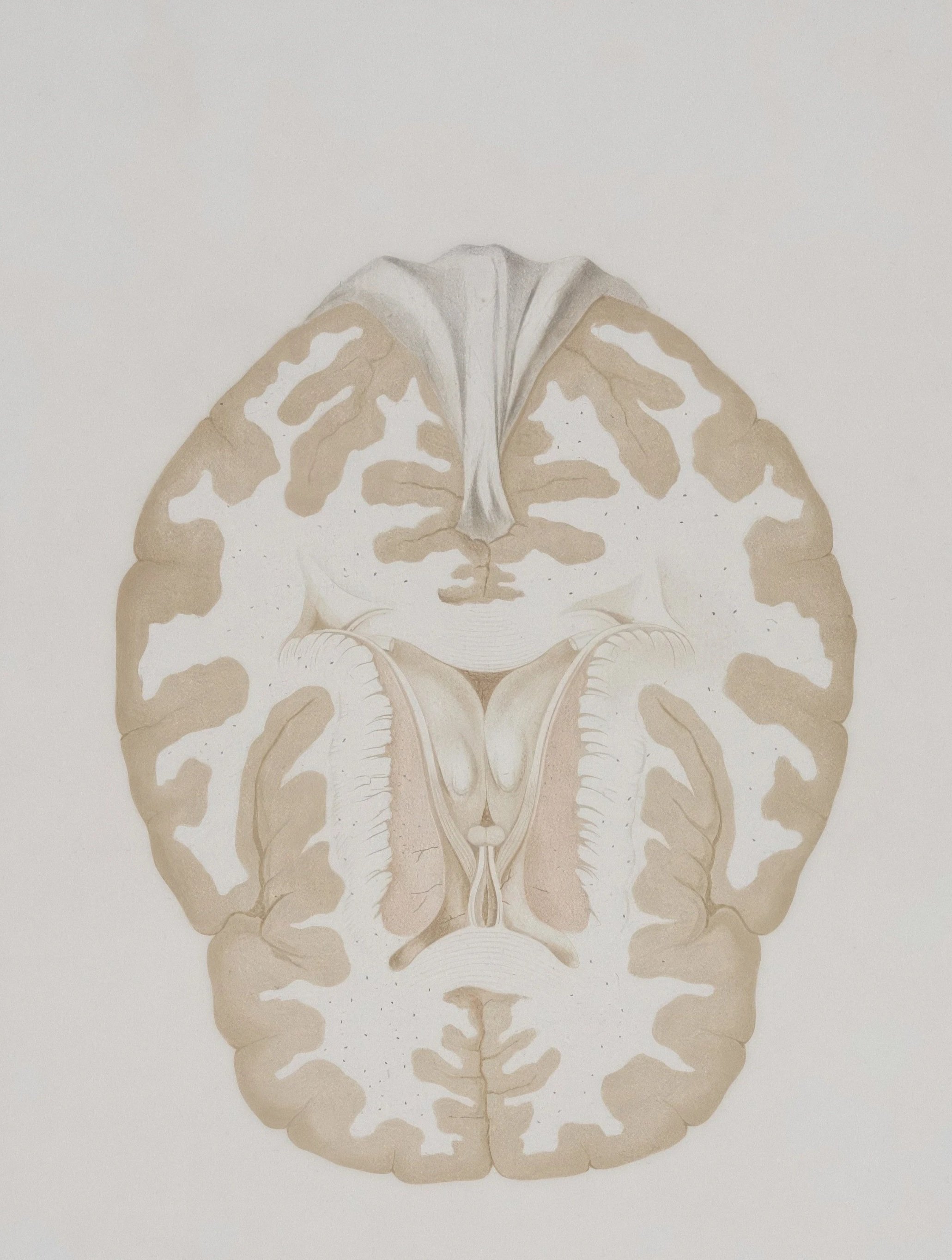
Amygdala: The amygdala is a small brain structure that governs your fear and threat responses. In people with anxiety, PTSD, or trauma histories, it is often hyperactivated, firing too easily, too intensely, and for too long. Research shows that effective therapy, particularly CBT and trauma-focused approaches reduce amygdala reactivity over time. The alarm system doesn’t stop working, it just becomes better calibrated so that situations that once felt overwhelming now feel manageable.
Prefrontal Cortex: The PFC acts as the rational voice that evaluates whether a threat is real. In anxiety and depression, the connection between the amygdala and the PFC is often weakened, the alarm fires, and the rational mind can’t talk it down. Therapy strengthens this connection reinforce its regulatory capacity which makes it measurably better at regulating emotional responses.
Hippocampus: Chronic stress and trauma can actually shrink the hippocampus, the region responsible for memory formation and contextual learning. This is one reason traumatic memories feel so vivid and uncontrollable: the hippocampus struggles to contextualize them as past events. Approaches like EMDR and trauma-focused CBT specifically support hippocampal recovery and partially reverse stress-related hippocampal shrinkage. As the hippocampus recovers, traumatic memories begin to feel more distant, contextual, and less distressing.
Key Neurological Differences Across Modalities
CBT and DBT primarily engage the prefrontal cortex, training top-down regulation
EMDR and somatic therapies work bottom-up, starting with the body and nervous system
Mindfulness-based approaches produce the most documented structural changes, visible in brain scans after 8 weeks of consistent practice
Psychodynamic therapy is slower-acting but associated with deeper personality-level change over time

The Therapeutic Relationship Itself
The therapeutic relationship itself is a neurological event, not just a backdrop to therapy.
Humans are wired for co-regulation. Our nervous systems attune to one another, a process sometimes called “social baseline theory”. When you sit with a calm, attuned, consistent presence, your nervous system, responds by downshifting so the stress response quiets and the window of tolerance widens.
A skilled therapist’s calm presence activates oxytocin and other regulatory chemicals in the client’s brain
For people whose early relational experiences were unpredictable or frightening, this consistent safety provides something the brain never properly learned
Repeated safe relational experiences build a new neural template, one where other people are sources of regulation, not threat
Attachment research confirms that people with insecure attachment patterns show measurable shifts toward secure attachment after sustained relational therapy
The brain learns safety the same way it learned danger, through repeated experience over time
Understanding how therapy works in the brain reveals it for what it actually is: a structured, evidence-based intervention that produces measurable biological change in brain structure, chemistry, and function.
Your brain is not a fixed object you’re stuck with. It’s a living, adaptive system that changes in response to experience. Therapy gives it new experiences to learn from and that learning shows up not just in how you feel, but in the very architecture of your neural networks.
If you’ve been on the fence about starting therapy, consider this: you wouldn’t hesitate to rehabilitate a physical injury with guided exercises. What’s happening in your brain deserves the same level of intentional care.